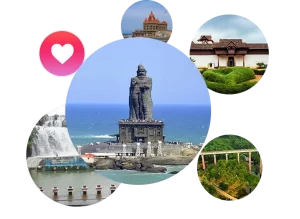
How to get to Kanyakumari from major cities
Kanyakumari, the southernmost tip of India, is a destination that attracts travelers and pilgrims throughout the year. Whether arriving by air, rail, or road, the journey to this coastal gem is as memorable as the place itself.
How to Reach Kanyakumari
By Air
The nearest airport to Kanyakumari is Thiruvananthapuram International Airport, located roughly 90–110 km away in Kerala. Major cities like Delhi, Mumbai, Pune, Bangalore, Chennai, and Kolkata have regular flights to Thiruvananthapuram, operated by leading domestic carriers. Travelers can hire taxis or opt for bus services from the airport, with the journey taking around 2.5–3 hours.
By Train
Kanyakumari has its own railway station, well-connected with prominent cities nationwide. Express trains like Dibrugarh-Kanyakumari Vivek Express, Howrah-Kanyakumari Express, Thirukural Express, and Himsagar Express offer direct connectivity. Train journeys offer scenic routes and affordability. If direct trains are unavailable, travelers can opt for routes via Chennai or Thiruvananthapuram, completing the final leg by road or local trains.
By Road
Robust road connectivity via National Highway 66 and others ensures seamless travel from South Indian cities. Chennai to Kanyakumari takes about 11.5 hours by car; Madurai is only 4 hours away. Regular buses from Chennai, Bengaluru, Madurai, Trivandrum, and Nagercoil offer convenient options for all budgets—ranging from luxury Volvo buses to standard state-run transport. The scenic countryside route adds to the experience.
Kanyakumari Tourist Places: Must-Visit Attractions
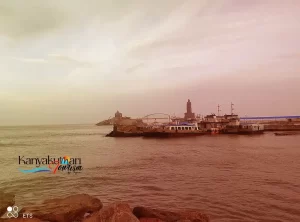
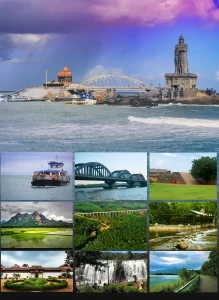
- Vivekananda Rock Memorial: A spiritual and historical landmark accessible via ferry from the mainland, offering spectacular views and serenity.
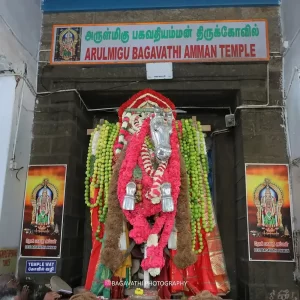
- Bhagavathi Amman Temple: Ancient temples steeped in legend and devotion, part of Kanyakumari's rich cultural tapestry.
- Kanyakumari Beach: Where the Indian Ocean, Bay of Bengal, and Arabian Sea meet—a surreal spectacle known as Triveni Sangamam.
- Thiruvalluvar Statue: Famous for its architecture and panoramic sea views near the memorial.
- Gandhi Memorial: Where Mahatma Gandhi’s ashes were kept before immersion. Unique sunray phenomenon on his birth anniversary.
- Thirparappu Waterfalls: Ideal for nature lovers and families, offering boating and swimming facilities.
- Government Museum: Showcasing South Indian heritage, coins, crafts, and artifacts.
Where to Stay in Kanyakumari
Options range from luxury resorts to budget-friendly hotels, heritage stays, and comfortable dharamshalas. Night stay options near tourist places make sightseeing convenient. Many accommodations offer facilities like food, parking, and hot water, making the stay ideal for families and solo travelers
Kanyakumari Sightseeing: Highlights
- Enjoy panoramic sunrise and sunset views from the beaches.
- Walk to Triveni Sangamam—the iconic confluence point.
- Visit ancient temples, waterfalls, and museums for a blend of historic, spiritual, and natural experiences.
- Engage in heritage walks, photography, and shopping for local handicrafts.
How can I reach Kanyakumari from various cities?
By air: Fly to Thiruvananthapuram, then travel by taxi/bus/car. By train: Direct connections from major Indian cities. By road: Well-connected highways and regular buses from the South
Where to stay in Kanyakumari for easy access to tourist places?
Stay near Main Road, Vivekanandapuram, North Street, or Kovalam Road for close proximity to key sights. Hotels and guesthouses offer modern amenities at various price points
What are the best tourist places to visit in Kanyakumari?
Vivekananda Rock Memorial, Bhagavathi Amman Temple, Thiruvalluvar Statue, Thirparappu Waterfalls, Gandhi Memorial, and Triveni Sangamam are top spots.
What dishes should I try in Kanyakumari?
Meen Kuzhambu, Nandu Varuval, Appam, Kothu Parotta, and Prawn Moilee are local favorites. Don't miss Pazham Pori and other authentic snacks at roadside stalls or local restaurants.
What is Triveni Sangamam?
Triveni Sangamam is the point where the Indian Ocean, Bay of Bengal, and Arabian Sea converge. It is popular for religious rituals, photography, and spectacular nature views